Your Logo Isn’t Your Brand. Here’s What Actually Makes Contractors More Money.
Ryan Kettering has been building brands for home service companies for 10 years. His opening premise: most contractors already have a story worth telling. They just don’t know how to package it — and because of that, they’re undercharging, under-attracting, and invisible in a market full of people saying the exact same thing.
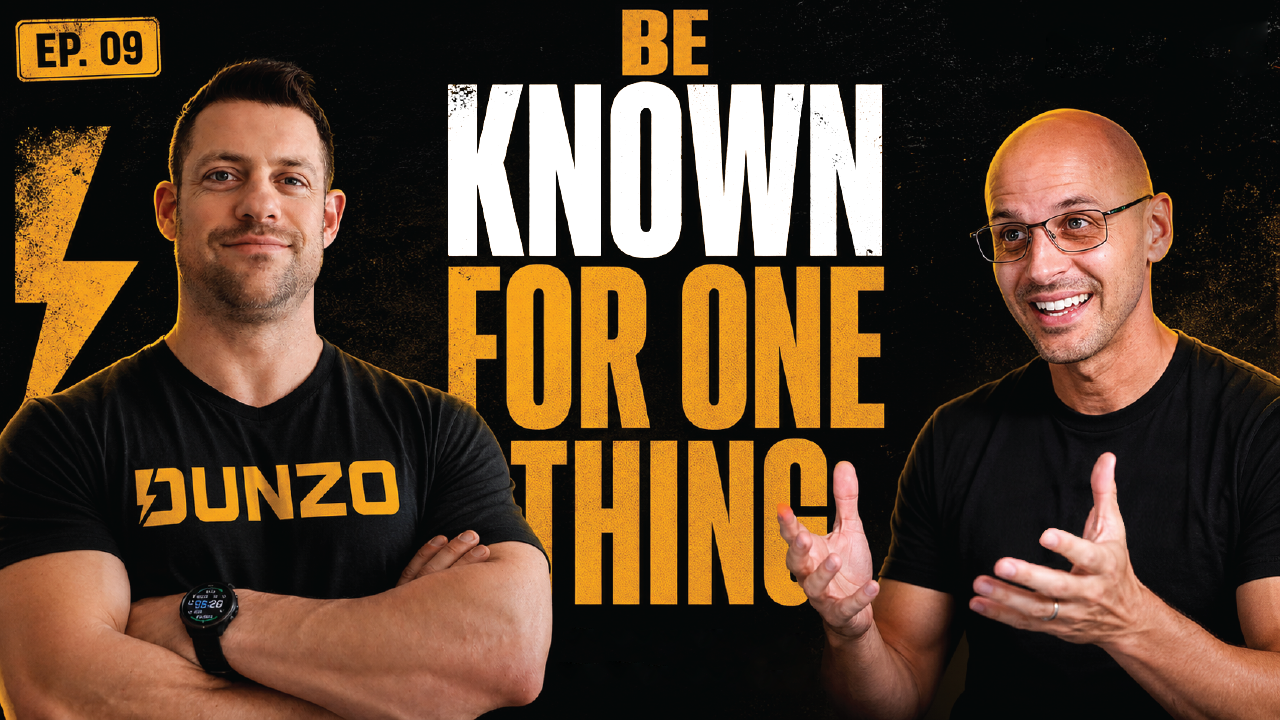
In Episode 9 of Surge Ahead, Ryan breaks down his Fractal Brand Framework, why you can only be known for one thing, and what Carvana, FedEx, and a maid service that bakes cookies have to do with your electrical company.
Here’s what stood out.
The Two Markets — and Where Home Service Lives
Ryan opens with a framing most contractors haven’t heard before. There are two markets happening simultaneously:
The first is the one we learned about in school — goods and services exchanged at a price based on what they cost to produce. The second is the one that actually governs what people pay: perceived value. Stories. Feelings. Identity.
Think about why a Birkin bag sells for $20,000 or a watch for $100,000. The utility of those objects doesn’t explain the price. The story does.
Home service isn’t that different. Every plumber writes the same work order. Every electrician replaces the same panel. So why does one get paid triple what another does for the same job?
“It’s because of the story that they tell themselves about themselves and into the market — and that the market then starts to tell about them.”
The difference in price is almost entirely in the story, not the service.
The Most Expensive Branding Mistake
The number one mistake Ryan sees isn’t having a bad logo or a weak color palette. It’s never having been intentional about branding at all.
Most contractors have a brand — they just haven’t designed it. Some things are working. Some things aren’t. And nothing is being applied consistently.
The fix isn’t to blow it up and start over. It’s to get clear on what’s already working and systematize it.
“We start with the premise that this company is special. We’ve got to figure out what that is.”
The goal isn’t to manufacture a new identity. It’s to find the one that already exists and give it language, symbols, and evidence.
Known for One Thing — or Known for Nothing
This is the rule Ryan returns to most: you can only be known for one thing.
Not because you only do one thing. Because attention doesn’t spread across multiple claims — it concentrates on one.
Michael Jordan is the clearest example. He’s sold shoes, been in movies, had a golf career, a baseball career, made money in more places than almost anyone alive. But he didn’t get those opportunities because he was good at all those things. He got them because he was known for one thing — and that single association opened every other door.
“If you try to be known for everything, you’ll be known for nothing. It’s the same as being known for nothing.”
McDonald’s sells more Coca-Cola products than almost any entity other than Coca-Cola itself. But no one thinks of McDonald’s as a beverage brand. They’re known for one thing — and that clarity is what makes everything else they sell possible.
Claims vs. Evidence: The Most Common Brand Failure
Here’s the test Ryan runs: ask a contractor what makes them different. The answers are almost always the same.
“Best people. Best experience. Best training.”
Claims. All claims. No evidence.
It’s not that those things aren’t true. It’s that saying them without backing them up is no different from saying nothing. Every other company is saying the same things — so the claims cancel out and you’re back to competing on price.
Evidence changes the equation. A1 Garage Door offers every customer a beverage on the way to the job. That’s not a claim about great service. That’s a micro-promise fulfilled — and every time a small promise is kept, the cost of the next one drops.
Carvana gives your kid a coin that makes the car come down from an LED-lit tower. Ryan’s son was five when they bought their car. He still talks about it.
“The first story is a bunch of claims with no actual evidence. The second story has actual evidence. Real life is always more interesting than general life.”
Brands Are Built on Things That Don’t Scale
This one cuts against the instinct of every growth-minded operator.
The actions that build brand equity — Gary Vaynerchuk driving eight hours to deliver wine for a client’s event, a Zappos rep staying on the phone for five hours and ordering pizza, a maid service that bakes cookies in your home while they clean — these things don’t scale.
But the stories do.
“Brands are not built on the things that scale. They’re built on the things that only we can do and only we would do — and actually having the courage to do those things that are worth talking about.”
Tesla shot a car into outer space. They gave their patents to competitors. They reinvented the steering wheel. These aren’t scalable actions — they’re brand-defining moments that generate years of word-of-mouth and press coverage. Then the scale part catches up.
The formula: do the legendary thing first. Scale the story. Eventually, find small ways to systematize versions of it.
How Brand Attracts Better Employees
This is the part of the brand conversation that almost never gets covered — and Ryan argues it’s just as valuable as the customer side.
When a company builds around identity instead of transaction, it signals something to potential employees before they’ve even read a job description. A wrapped van with a strong visual identity got followed home by someone who became an operations manager. Ryan’s own video job posts attract candidates who say they didn’t apply — but they wanted to reach out anyway because of how he presented the opportunity.
“Every market is a two-way market. We’re always connecting one thing to another — and we get a chance to connect great people with other great people.”
A brand that repels the wrong candidates and attracts the right ones is doing double work. Most companies treat the job ad as an afterthought. The companies with strong brands treat it as another touchpoint in the same story they’re telling everywhere else.
The One Question to Start With
If you want to begin thinking about your brand intentionally, Ryan’s starting point isn’t “what should we look like.” It’s:
What are your best clients already saying is the reason they hired you, hired you again, or referred you?
Those reasons are your brand. The work is figuring out how to make them worth talking about — to package them so they can spread, survive a retelling, and hold up when someone stakes their reputation on recommending you.
“You have the secret sauce already. You are unique. That’s the premise we start with.”